
Summary
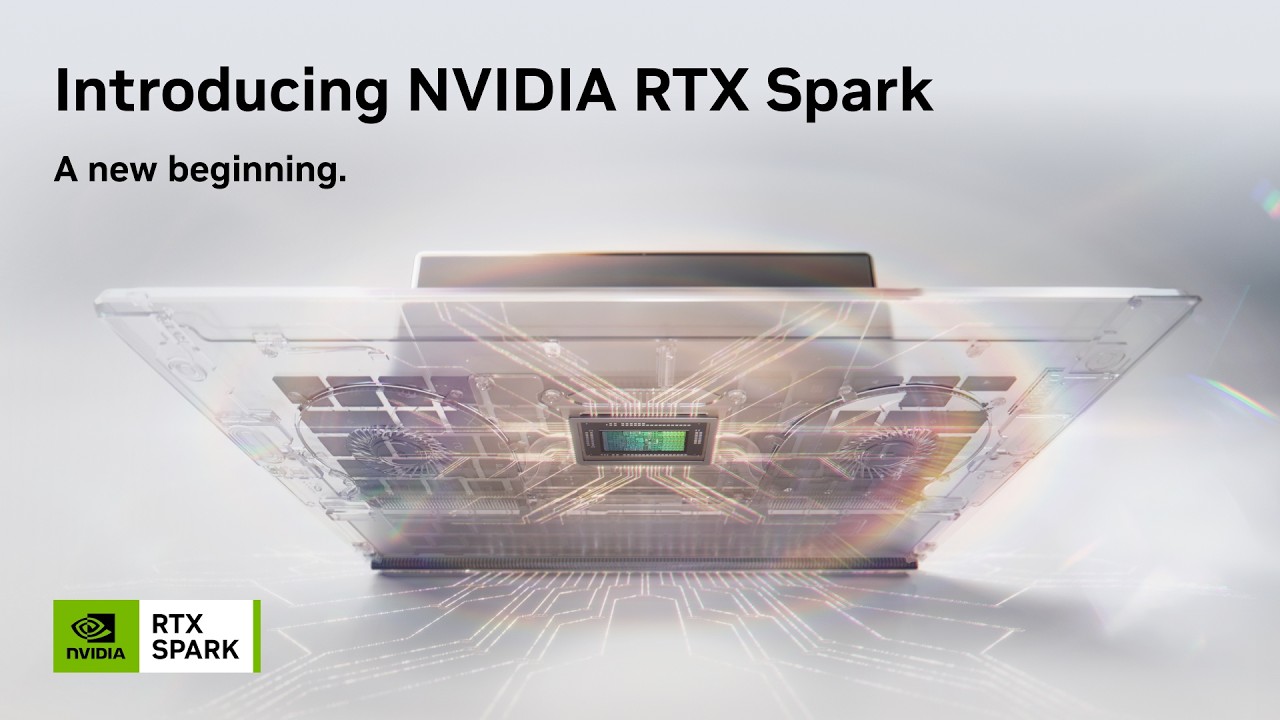
**NVIDIA** has unveiled its first true client SoC for Windows, the **RTX Spark**, at **Computex**. This chip, featuring a 20-Core Arm CPU and a Blackwell GPU, aims to redefine performance across AI, gaming, and professional workloads. Major manufacturers like **Dell**, **ASUS**, **HP**, and **Lenovo** are already showcasing laptops and mini PCs powered by this new technology, which boasts impressive specs like 1 PFLOPs of AI performance and up to 128 GB of Unified LPDDR5X memory. As these devices hit the market, the question remains: can NVIDIA truly disrupt the existing hierarchy in the Windows ecosystem? The hands-on experiences reported by **Wccftech** highlight the sleek designs and advanced features of these new systems, such as Dell's XPS 16 Creator Edition and ASUS's ProArt series. However, the real test will be how well these devices perform in real-world scenarios and whether they can live up to the hype surrounding NVIDIA's ambitious claims.
Key Takeaways
- NVIDIA's RTX Spark chip integrates a 20-Core Arm CPU and a Blackwell GPU.
- The chip aims to enhance performance for AI, gaming, and professional workloads.
- Major manufacturers like Dell, ASUS, HP, and Lenovo are launching devices powered by the RTX Spark.
- The actual performance of these devices in real-world scenarios remains to be verified.
- Market reception will determine NVIDIA's success in disrupting the Windows ecosystem.
Balanced Perspective
The RTX Spark chip represents a notable advancement in NVIDIA's technology, integrating a powerful **20-Core Arm CPU** and a **Blackwell GPU** into a single SoC. Major brands like **HP** and **Lenovo** are already developing products that leverage this new chip, indicating a broad industry interest. However, while the specifications are impressive, the actual performance in everyday use remains to be seen. Users should approach these new offerings with cautious optimism until independent reviews confirm NVIDIA's claims.
Optimistic View
The introduction of the **NVIDIA RTX Spark** chip could mark a significant leap in computing power, particularly for creative professionals and gamers. With **1 PFLOPs** of AI performance, users can expect faster processing times and enhanced capabilities for demanding applications. The collaboration with top manufacturers like **Dell** and **ASUS** suggests a strong ecosystem is forming around this technology, potentially leading to a new standard in laptop performance. If successful, this could not only elevate user experiences but also push competitors to innovate further in the **AI** and gaming sectors.
Critical View
Despite the promising specs of the **RTX Spark**, there are significant risks involved. The market is already saturated with high-performance laptops, and NVIDIA's ability to differentiate itself will be crucial. Additionally, the reliance on a single SoC design could lead to limitations in customization and upgradeability for users. If these devices fail to deliver on their performance promises, NVIDIA could face backlash from consumers and developers alike, potentially harming its reputation in the competitive tech landscape.
Source
Originally reported by Wccftech