
Summary
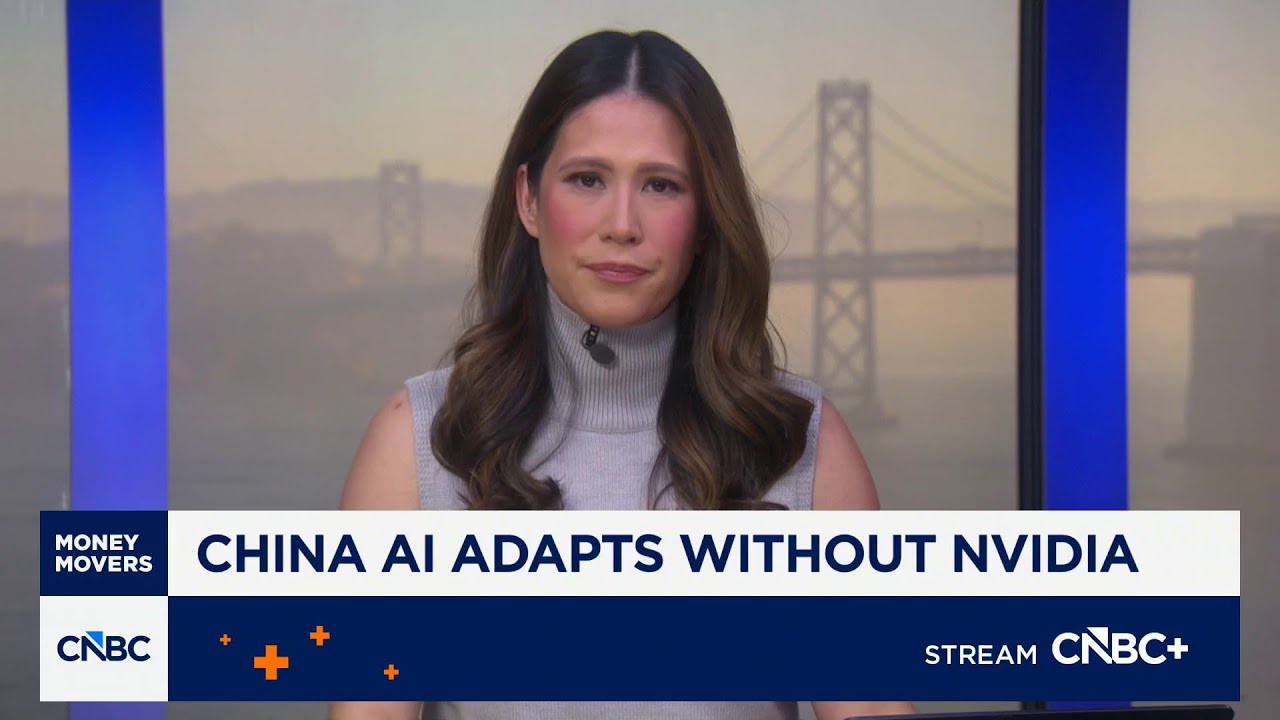
The **United States** has reportedly granted approval for approximately **10 Chinese companies** to purchase **Nvidia's H200 AI chip**, the company's second-most advanced offering. This move signals a potential thaw in the stringent export controls previously imposed on advanced semiconductor technology to **China**. However, despite the clearance, **no deliveries have yet been made**, highlighting the ongoing complexities and potential hurdles in executing these sales. **Nvidia CEO Jensen Huang** is reportedly seeking to navigate these challenges, aiming for a breakthrough that balances geopolitical sensitivities with the immense demand for high-performance AI hardware in the world's second-largest economy. This development occurs against a backdrop of intense global competition in [[artificial-intelligence|AI]] development and the critical role of advanced [[semiconductors|semiconductor]] manufacturing.
Key Takeaways
- The US has approved sales of Nvidia's H200 AI chips to about 10 Chinese companies.
- Despite clearance, no H200 chips have been delivered to these firms yet.
- Nvidia is seeking to navigate complex export controls for market access.
- This decision reflects a delicate balance between US national security and global AI market demands.
- The situation highlights ongoing tensions in the US-China technology relationship.
Balanced Perspective
The U.S. government's decision to permit sales of the H200 chip to a select group of Chinese firms indicates a nuanced approach to export controls, likely balancing national security interests with economic considerations. The fact that no deliveries have yet occurred suggests that further regulatory scrutiny, end-user verification, or specific conditions may still be in play. This situation reflects the ongoing tension between the desire to curb China's military AI capabilities and the reality of globalized technology markets where demand for advanced chips remains exceptionally high.
Optimistic View
This clearance represents a significant step towards stabilizing the global AI supply chain, allowing key Chinese tech firms to access crucial hardware for their research and development. For **Nvidia**, it's a vital market re-engagement that could unlock substantial revenue streams, demonstrating that pragmatic trade can coexist with national security. This could foster a more collaborative, albeit regulated, environment for AI advancement worldwide, preventing a complete bifurcation of technological progress.
Critical View
The approval, even if limited and unfulfilled, risks undermining the effectiveness of U.S. export controls designed to slow China's progress in advanced AI and military applications. The potential for these chips to be diverted or used for purposes contrary to U.S. interests remains a significant concern. Furthermore, the ongoing reliance on Nvidia for cutting-edge AI hardware highlights the strategic vulnerabilities inherent in the global semiconductor ecosystem and the persistent challenge of enforcing complex trade restrictions.
Source
Originally reported by Reuters